The digital world is rapidly changing and it is so easy to get lost in the selection of appropriate software. There are millions of choices that claim to be innovative, reliable, and valuable enough, and it is impossible to make a good choice without reading the descriptions or watching the promotion videos. The try-before-you-buy method, which provides the user with a trial or demo version, has been proven to be a good solution. It also allows the potential customers to have a firsthand experience with a product and then make their final decision based on practical assessment as opposed to what the marketing promises.
Understanding the Try-Before-You-Buy Model
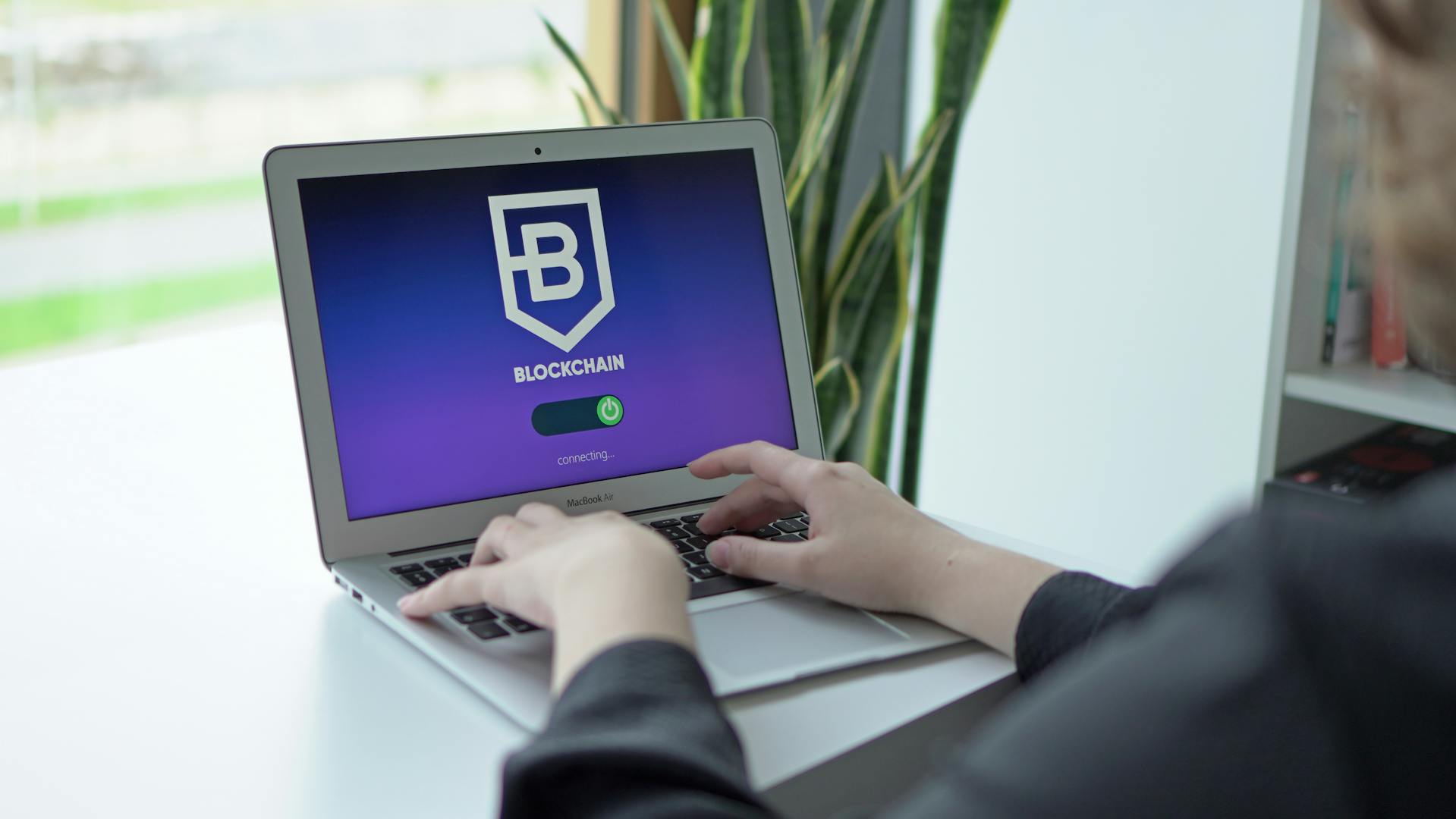
Try-before-you-buy software is a type of software that lets the users download a product and use it temporarily, usually 7-30 days, free of charge. In the process, they will be able to test its features, interface, compatibility, and the workflow in general without financial risk. This model is particularly prevalent in such industries as design, cybersecurity, and productivity software where functionality and user experience are the factors that define long-term satisfaction. It fills the distance between intrigue and assurance, providing customers with an opportunity to evaluate the usefulness of the tool in meeting the needs of reality.
Building Confidence Through Experience
The real world testing software offers these insights that cannot be found in a brochure or a demo video. By interacting with the product directly, users can get to know how intuitive the product is, how well the features match their expectations and whether it can work well with their existing systems. This practical experience will minimize uncertainty and create trust between the buyer and the brand. Customers do not trust what the company says, instead, they use their own evidence and experiences acquired during actual use. This feeling of empowerment brings confidence to buy and in most cases results in more satisfied customers who will be loyal in the long run.
Avoiding Costly Mistakes
Putting money in software which does not deliver may cause loss of money, time, and frustrations to both individuals and teams. The try-before-you-buy technique reduces such risks by letting the user detect possible problems in time. To illustrate, a small business that is getting accounting software can easily understand whether it fits their invoicing and reporting requirements. In case it fails, they can walk away easily without incurring any financial loss. Trial periods, in short, are a kind of safety net, which does not allow entering into expensive long-term engagements with inappropriate products.
Encouraging Honest Marketing and Product Improvement
 On the side of the developer, providing a trial will force transparency and accountability. Those companies which provide free trials demonstrate the belief in the product value. They allowed the product to speak by handing the software to the users to give them a firsthand experience. In feedback collected in the trial stage is also invaluable in updating in the future. The developers can understand the real world experience of users on how to use the software, features that are most valued and areas to improve. The end product is enhanced and relationships between the providers and users are improved due to this continuous feedback loop.
Enhancing Customer-Centric Decision-Making
 The contemporary consumer appreciates freedom and genuineness. Try-before-you-buy software fits in either of them because it permits objective decision-making that is not based on persuasion and is founded on personal experience. Companies that choose this model will attract the customers that are more focused on transparency and quality instead of gimmicks. Moreover, the customers who come to use the software during trials tend to become more involved customers of the company once they are purchased, as they already know how to use the software efficiently. This familiarity minimizes the time it would take to become familiar with it and increases productivity on the first day.
A Smarter, More Empowered Way to Choose
Finally, the try-before-you-buy model helps make smarter, more confident purchases. It lowers the risk of money, enhances transparency and fosters meaningful innovation in the software industry. This system is honest and clear to both the users and the developers. The option to test before committing puts the marketplace into a situation where choice may be overwhelming, and power may shift back to the consumer, as they will be able to select software that really fits their needs and no longer depend on promises alone.